
The modern clothing industry offers customers more choices than ever before. From relaxed everyday outfits to performance-inspired apparel, people want clothing that reflects their personal style while meeting practical needs. Comfort, fabric quality, and versatility have become important considerations when choosing garments.
For apparel businesses, these changing expectations create an opportunity to develop collections that combine attractive designs with dependable construction. A successful clothing range should not simply follow trends. It should offer products that customers can wear regularly and feel comfortable purchasing.
The Changing Expectations of Modern Clothing Consumers
Today’s customers often look beyond appearance when shopping for clothing. They consider how a garment feels, how it fits, and whether it suits their daily routine.
Some shoppers prefer minimal designs that can be worn in different settings, while others look for distinctive colors, graphics, and contemporary silhouettes. Many customers want both: clothing that looks fashionable without feeling uncomfortable.
This means apparel businesses need to understand their target audience before selecting products. Researching customer preferences can help retailers decide which styles, materials, and sizes deserve attention.
Why Fabric Selection Matters
Fabric is one of the first things customers notice when wearing a garment. Its texture, weight, and construction influence comfort and the overall appearance of clothing.
Cotton is commonly used in everyday apparel because of its familiar feel and versatility. Blended fabrics can offer different properties, depending on their composition. Fleece is another popular option for sweatshirts and other garments designed for cooler conditions.
When evaluating materials, businesses should consider:
- Comfort: Fabrics should feel suitable for their intended use.
- Breathability: Appropriate materials can support comfort during daily activities.
- Weight: The fabric should match the garment’s design and season.
- Construction: Consistent stitching and finishing contribute to product quality.
- Care requirements: Customers benefit from clear washing and maintenance instructions.
Understanding these factors can help retailers select products that offer a better overall experience.
The Importance of Versatile Clothing Designs
Versatility is an important feature of modern wardrobes. Customers often prefer garments that can be styled in multiple ways instead of items suitable for only one occasion.
A plain T-shirt can be worn with jeans, casual trousers, or shorts. A sweatshirt can be layered over a basic shirt, while a lightweight jacket can add structure to a relaxed outfit.
Neutral colors such as black, white, grey, and navy make coordination easier. At the same time, seasonal shades and distinctive designs can introduce variety.
For clothing retailers, offering a mixture of classic essentials and contemporary styles can help create a balanced collection.
Exploring Different Apparel Brand Approaches
Apparel brands often develop their identities through product design, material choices, and the customers they aim to serve. Some emphasize minimal everyday clothing, while others focus on outdoor-inspired apparel or relaxed casualwear.
Businesses researching different market approaches may explore los angeles apparel when comparing contemporary casual clothing and everyday garment styles. Looking at product categories, silhouettes, and presentation can provide useful ideas for understanding how brands position their collections.
Another useful area of research is huk clothing, particularly when examining outdoor-oriented apparel and the relationship between clothing design and active lifestyles.
Comparing different brand approaches can help retailers understand the variety of expectations within the apparel market. However, businesses should choose products according to their own audience rather than copying another brand’s identity.
Building a Collection for Different Lifestyles
A well-organized apparel collection should reflect the different activities and preferences of its intended customers.
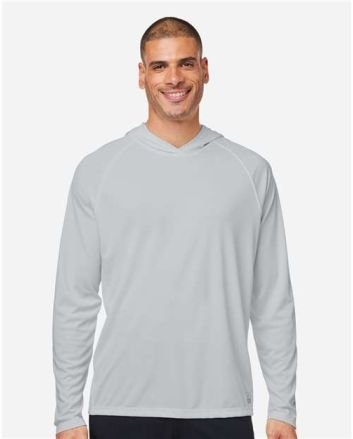
For example, a casualwear range might include T-shirts, sweatshirts, hoodies, and comfortable trousers. A collection designed around outdoor activities may include practical layers and garments suited to changing conditions.
Retailers can consider the following categories when planning an assortment:
- Everyday basics: Simple shirts and tops that work with different outfits.
- Comfortable layers: Hoodies, sweatshirts, and lightweight jackets.
- Casual bottoms: Joggers, trousers, and shorts in practical designs.
- Seasonal products: Garments that respond to changing weather and customer demand.
- Distinctive pieces: Selected styles that give the collection personality.
The objective is to create a range where products complement one another while offering enough variety to meet different needs.
Understanding Fit and Sizing Preferences
Even a well-designed garment may disappoint customers if its fit does not match expectations. Sizing consistency is therefore an important part of apparel selection.
Regular, relaxed, slim, and oversized fits appeal to different customer groups. Businesses should understand which silhouettes are appropriate for their intended market.
Online retailers should provide accurate size charts and garment measurements. Product photographs should also show the clothing clearly so customers can better understand its shape and proportions.
Offering clear sizing information can reduce uncertainty and help shoppers make more confident purchasing decisions.
Maintaining Quality Across Every Product Category
Consistency is essential when building a clothing collection. Customers expect products to meet reasonable quality standards regardless of the category they purchase.
Retailers should examine stitching, seams, fabric texture, finishing, and sizing before adding products to their inventory. When possible, reviewing samples can help identify potential problems before placing larger orders.
Businesses should also keep product information accurate. Claims about fabric composition, garment features, and performance should always be supported by reliable product details.
A consistent approach to quality evaluation helps businesses create a more dependable shopping experience.
Using Customer Feedback to Improve Product Selection
Customer feedback can help apparel businesses make better decisions about future collections. Reviews, questions, returns, and social media comments often reveal what shoppers appreciate and what they would like to see improved.
For example, customers may request additional colors, different fits, or more detailed product measurements. These observations can guide future purchasing and merchandising decisions.
Retailers should regularly review feedback instead of relying entirely on assumptions about fashion trends. Listening to customers can help businesses keep their collections relevant.
Conclusion
Modern apparel businesses need to balance comfort, quality, versatility, and visual appeal when developing clothing collections. Customers want garments that suit their lifestyles while allowing them to express their individual preferences.
By understanding different brand approaches, evaluating fabrics, offering suitable fits, and responding to customer feedback, retailers can build more thoughtful product ranges. A strong collection is not simply about having more products; it is about selecting clothing that genuinely serves the needs of its audience.