
ByJohn A
Portable Sanitation for Rodeos, Livestock Shows, and Equestrian Competitions
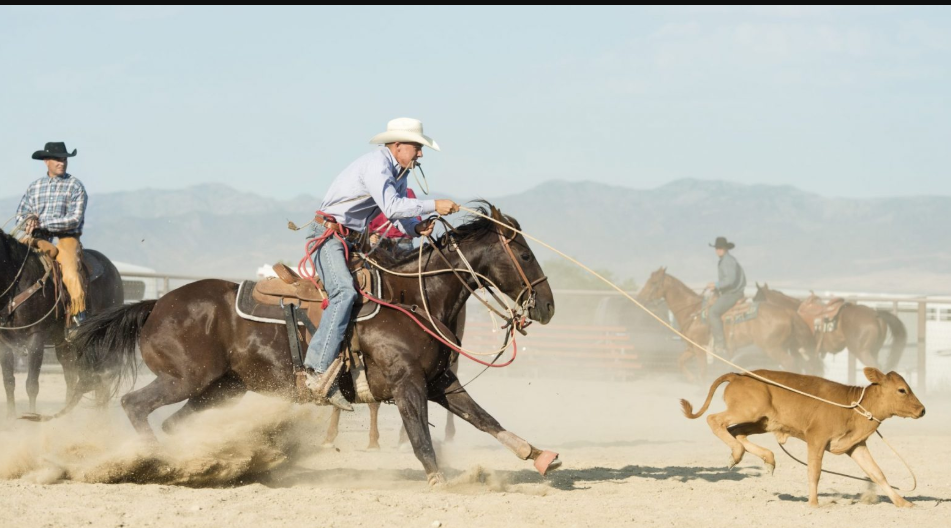
Rodeos, livestock shows, and equestrian competitions create sanitation needs that are different from many outdoor events. These venues often include arenas, barns, trailer parking, spectator seating, vendor areas, food stands, warm-up rings, wash racks, camping areas, staff zones, and animal-handling routes. Guests, riders, handlers, volunteers, judges, vendors, and workers may all be on-site for long hours.
For event managers, portable sanitation should support both public attendance and behind-the-scenes operations. Restrooms need to be easy for guests to find, practical for competitors to use, and placed where service crews can reach them without interfering with animals, trailers, or event flow. A good plan helps the event feel cleaner, safer, and more organized from arrival through final cleanup.
Start With the Venue Layout
Portable restroom planning should begin with a full map of the grounds. Rodeo and livestock venues usually have several active zones, and each one has different traffic patterns. Spectators may stay near grandstands and concessions, while competitors may spend most of the day near barns, stalls, warm-up areas, trailers, and holding pens.
Event managers should identify entrances, ticketing areas, parking paths, show rings, rodeo arenas, livestock barns, horse barns, vendor rows, food areas, camping areas, and staff stations. Restroom placement should follow how people actually move through these spaces.
A single restroom cluster near the main gate may not serve the full event well. Large venues often need multiple restroom areas placed around natural gathering points.
Support Spectator Areas
Spectators need restrooms near grandstands, bleachers, food vendors, merchandise booths, and event viewing areas. Rodeos and equestrian events often have long programs, which means guests may stay seated for extended periods and then head to restrooms during breaks.
Restroom clusters near spectator zones should allow room for lines without blocking aisles, exits, concessions, or emergency paths. If the event includes evening performances, lighting near restroom routes becomes more important.
Placement should also consider families. Parents with children should not have to walk across trailer areas or animal-handling zones just to find facilities.
Plan Around Competitors and Handlers
Competitors, riders, livestock handlers, trainers, grooms, and support crews often arrive early and stay late. They may be managing animals, equipment, tack, feed, show clothes, grooming supplies, and trailers while trying to stay on schedule.
Restrooms should be available near barns, trailer parking, warm-up areas, and competitor check-in points. These units should be convenient but placed carefully so they do not block animal movement, unloading areas, or equipment paths.
When arranging porta john rental for a rodeo or livestock event, managers should think beyond the guest entrance. Competitor areas often need their own sanitation support because those users may not have time to cross the venue between classes, rides, or judging periods.
Keep Units Away from Animal Routes
Animal movement is one of the biggest differences between these events and general outdoor gatherings. Horses, cattle, goats, sheep, pigs, and other livestock may move between barns, trailers, arenas, wash areas, holding pens, and judging spaces throughout the day.
Portable restrooms should not be placed where they create a tight turn, visual obstacle, or crowding point along animal routes. Lines should not spill into pathways used by handlers or mounted riders.
Good placement reduces stress for animals and lowers the chance of conflicts between guests, competitors, and livestock operations.
See Also: How AI Can Help Entrepreneurs Research Markets
Account for Trailer and Vehicle Traffic
Rodeos and livestock shows often involve heavy trailer traffic. Trucks, horse trailers, stock trailers, vendor vehicles, tractors, maintenance carts, emergency vehicles, and service trucks may all need access.
Restroom locations should not interfere with unloading, turning, parking, or emergency movement. Trailer areas can become crowded quickly, especially during arrival and departure windows.
Event managers should walk the site from a driver’s perspective. A restroom location that looks convenient on a map may not work if it narrows a lane, blocks a trailer swing, or prevents a service vehicle from reaching the unit later.
Serve Food and Vendor Zones
Food and beverage areas increase restroom demand. Rodeos and livestock shows may include concession stands, food trucks, beverage tents, vendor booths, exhibitor meals, and hospitality areas.
Restrooms should be reasonably close to these zones without sitting directly beside food service or seating. Guests should be able to find facilities easily, but restroom lines should not crowd ordering areas, picnic tables, or vendor displays.
Handwashing or hand-sanitizing stations are especially useful near food areas, livestock barns, petting areas, and agricultural exhibits. These additions help guests, families, vendors, and handlers maintain cleaner conditions throughout the event.
Include Accessible Restrooms
Accessible restroom placement should be part of the original site plan. Guests, competitors, staff, and family members may use wheelchairs, walkers, scooters, or other mobility aids. Some attendees may also have limited stamina, temporary injuries, or young children in strollers.
Accessible units should be placed near practical routes from parking, seating, vendor areas, barns, and main event spaces. Ground conditions matter. Gravel, grass, mud, ruts, slopes, and uneven paths can make access difficult even when the unit itself is accessible.
Whenever possible, place accessible restrooms near firm, level surfaces and keep routes clear of trailers, hoses, gates, and animal equipment.
Plan for Long Days and Multi-Day Events
Many rodeos, livestock shows, and equestrian competitions last all day or continue across several days. Restroom demand changes from early-morning check-in to afternoon crowds and evening performances.
Multi-day events need a service plan. Units may need pumping, cleaning, restocking, or repositioning as conditions change. Staff should know who to contact if supplies run low or a restroom area needs attention.
Managers should also think about overnight users. Competitors camping on-site, livestock crews, security, vendors, and maintenance staff may need restroom access outside normal public hours.
Protect Service Access
Portable restrooms must remain reachable for delivery, servicing, and pickup. This can be difficult at event venues where trailers, temporary fencing, livestock panels, vendor tents, barricades, and parked vehicles shift throughout the day.
Service routes should be planned before the site fills up. Units should not be trapped behind horse trailers, stock pens, carnival equipment, feed storage, hay stacks, vendor rows, or spectator barricades.
A restroom location is only practical if it can be maintained. For larger events, service access should be treated as part of the operations plan, not a detail handled after setup.
Prepare for Weather and Ground Conditions
Outdoor event venues can change quickly with weather. Rain may create mud near barns, arenas, trailer parking, and restroom areas. Wind can affect signs and lightweight barriers. Heat can increase water consumption and restroom use.
Restrooms should be placed on level, stable ground whenever possible. Avoid low areas where water collects and soft ground where heavy foot traffic may create mud. If guests will use restrooms after dark, lighting and clear pathways are important.
Weather planning also helps protect the venue. Poorly placed units can lead to rutting, muddy lines, damaged turf, or difficult service access.
Use Clear Signs and Event Maps
Large rodeo and livestock venues can be confusing for guests who do not know the grounds. Clear signs should guide people from entrances, grandstands, concession areas, barns, vendor rows, and parking paths to the nearest restrooms.
Event maps, programs, websites, and volunteer briefing sheets should show restroom locations. Staff and volunteers should also know where facilities are so they can answer questions quickly.
Good signage spreads restroom use across the venue. It prevents every guest from heading to the first visible cluster, even when another restroom area is closer.
Review the Site During the Event
Portable sanitation planning should continue once the event begins. Managers should check restroom lines, cleanliness, supply levels, lighting, ground conditions, and service access throughout the day.
If one area is overwhelmed while another is underused, signs may need improvement. If mud forms near a restroom cluster, temporary mats or route adjustments may help. If trailers block access, the issue should be corrected before servicing becomes difficult.
Small checks during the event can prevent sanitation problems from becoming the thing guests remember.
Portable sanitation for rodeos, livestock shows, and equestrian competitions requires planning around spectators, competitors, animals, trailers, food service, accessibility, weather, and long event days. Restrooms must be convenient, but they also need to stay clear of animal routes, loading areas, and service paths.
By mapping the full venue, placing units near real activity zones, protecting access, and reviewing conditions throughout the event, managers can create a cleaner and more comfortable experience. A thoughtful sanitation plan helps the event run smoothly for guests, crews, competitors, and everyone working behind the scenes.
